For parents & clinicians
RSV Prevention: How New Tools Changed the Landscape for Infants
The short answerRespiratory syncytial virus, or RSV, can be especially serious for young infants. U.S. guidance offers two ways to protect many babies against severe illness: vaccination during pregnancy or a long-acting antibody given to the infant. Most infants do not need both. [1] [2]
What this means for your child
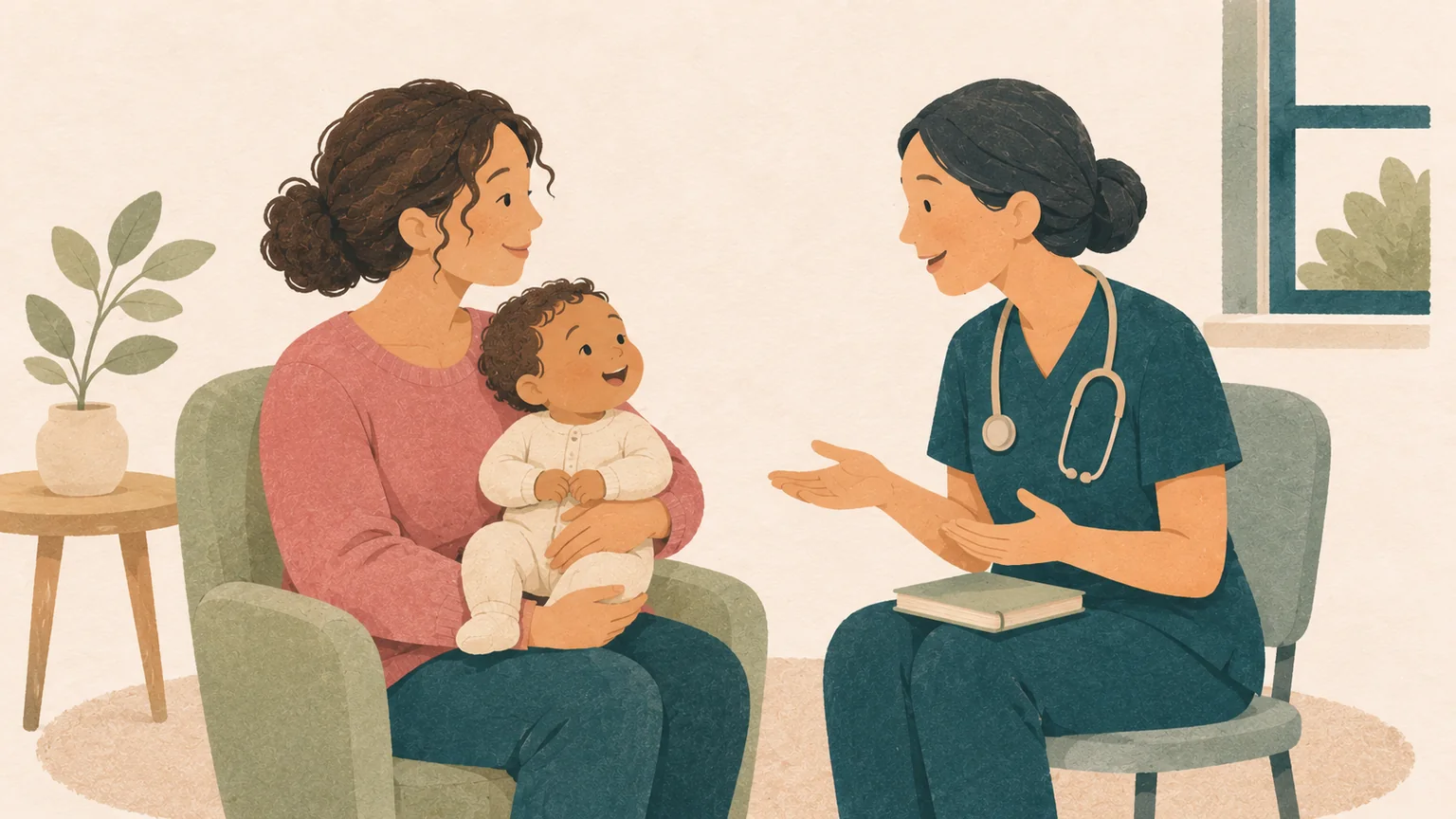
Use the key takeaways and questions below to start a conversation with your child’s healthcare provider.
Study details and guidance
A U.S. case-control study across 24 states examined 457 infants admitted to intensive care with RSV and 302 infants admitted with other respiratory illnesses during the 2024–25 season. It estimated nirsevimab effectiveness against RSV-related intensive care admission at 80% (95% confidence interval: 70% to 86%). This was an observational study of a specific season and outcome; its estimate does not predict an individual child's result or establish effectiveness against every RSV infection. [4]
Key takeaways
Why does RSV matter for infants?
RSV often causes a mild, cold-like illness, but it can cause bronchiolitis or pneumonia. Young infants and children born prematurely are among those at greater risk of severe illness. In very young infants, symptoms can include decreased activity, reduced feeding, or pauses in breathing; fever may be absent. [1]
What are the prevention options?
Vaccination during pregnancy. In most of the continental U.S., CDC recommends the maternal RSV vaccine at 32 through 36 weeks of pregnancy during September through January. The timing and the baby's circumstances affect whether an infant antibody is also needed. [2] [3]
An antibody for the infant. Nirsevimab and clesrovimab are long-acting antibodies, not vaccines. For eligible infants younger than eight months entering or born during their first RSV season, CDC recommends an antibody if the mother did not receive the maternal vaccine, the vaccination status is unknown, or the infant was born within 14 days of maternal vaccination. In certain circumstances, a clinician may recommend an antibody even after maternal vaccination. [2]
CDC also recommends nirsevimab for some children aged eight through 19 months at increased risk who are entering their second RSV season. Recommendations depend on age, health conditions, vaccination history and local RSV patterns; families can discuss which option applies with their healthcare provider. [2]
What does one study tell us?
A U.S. case-control study across 24 states examined 457 infants admitted to intensive care with RSV and 302 infants admitted with other respiratory illnesses during the 2024–25 season. It estimated nirsevimab effectiveness against RSV-related intensive care admission at 80% (95% confidence interval: 70% to 86%). This was an observational study of a specific season and outcome; its estimate does not predict an individual child's result or establish effectiveness against every RSV infection. [4]
Questions to ask your healthcare provider
CDC advises seeking medical attention when a child has difficulty breathing, is not drinking enough, or has worsening symptoms. [1]