For parents & clinicians
Nutrition in the First 1,000 Days: Why It Matters So Much
The short answerDuring infancy and early childhood, feeding needs change as children grow. The World Health Organization recommends exclusive breastfeeding for the first six months, then nutritionally adequate complementary foods alongside continued breastfeeding. Families can discuss feeding choices and individual needs with their child's healthcare provider. [1]
What this means for your child
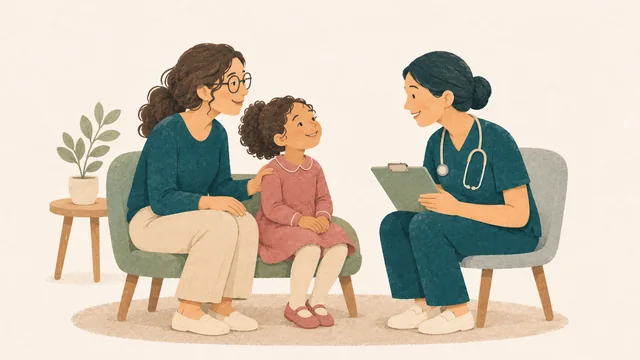
Use the key takeaways and questions below to start a conversation with your child’s healthcare provider.
Study details and guidance
The CDC describes a recommendation to introduce foods other than breast milk or infant formula at about six months, when a child shows developmental signs of readiness. Signs include head and neck control, sitting alone or with support, opening the mouth for food, and swallowing food rather than pushing it out. The CDC does not recommend introducing solids before four months. [2]
Key takeaways
- During infancy and early childhood, feeding needs change as children grow. [1] Not yet rated
- The CDC does not recommend introducing solids before four months. [2] Not yet rated
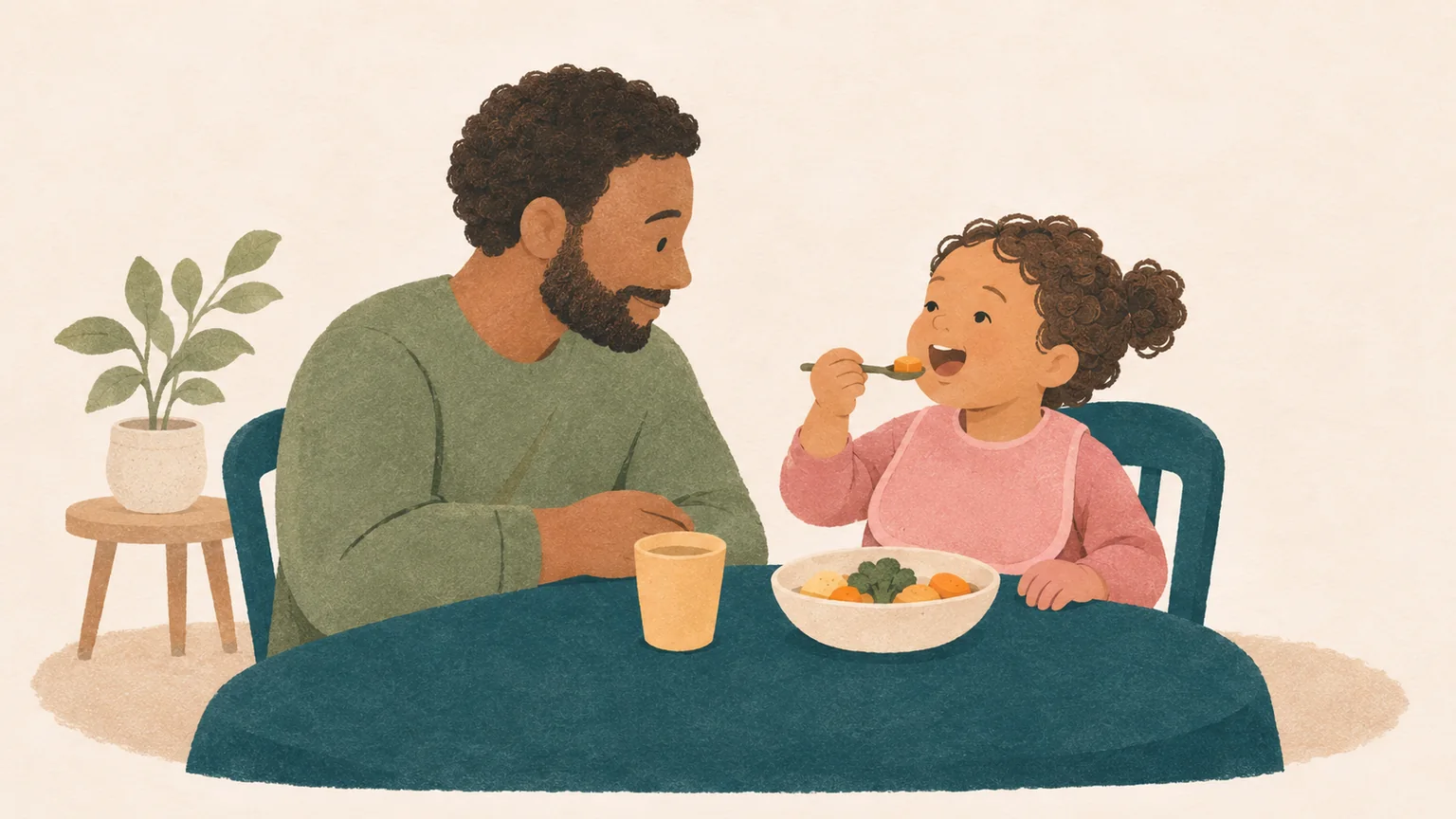
- Breast milk or infant formula remains the main source of nutrition from six to twelve months while solid foods gradually become a larger part of a child’s diet. [3] Not yet rated
When do solid foods begin?
The CDC describes a recommendation to introduce foods other than breast milk or infant formula at about six months, when a child shows developmental signs of readiness. Signs include head and neck control, sitting alone or with support, opening the mouth for food, and swallowing food rather than pushing it out. The CDC does not recommend introducing solids before four months. [2]
Breast milk or infant formula remains the main source of nutrition from six to twelve months while solid foods gradually become a larger part of a child's diet. [3]
Iron and early foods
Iron supports growth and brain development. The CDC recommends including iron-containing foods when solids begin; examples include iron-fortified infant cereals, meat, beans, and lentils. Iron needs and the need for supplements vary with feeding and individual circumstances, so families can ask their child's provider. [4]
Food allergies and choking safety
The CDC says potentially allergenic foods can be introduced alongside other complementary foods. If a child has severe eczema or an egg allergy, families should talk with their child's healthcare provider about when and how to introduce peanut-containing foods safely. [2]
Food texture and preparation matter for choking safety. The CDC advises serving food in forms appropriate to a child's development, supervising eating, and avoiding whole nuts and spoonfuls of nut butter for young children. [5]
Foods and drinks to avoid before age one
The CDC advises against honey and fruit juice for children younger than twelve months. It also advises against offering cow's milk as a drink before twelve months; some other milk products, such as unsweetened yogurt, may be introduced earlier. [2] [6]
Questions to ask your provider
What to keep in mind
These recommendations describe general guidance rather than an individual feeding plan. A child's health, developmental readiness, and family circumstances may affect the approach. Ask a healthcare provider about concerns, including food allergies, iron, or feeding difficulties.
Sources
- World Health Organization. Appropriate complementary feeding.
- Centers for Disease Control and Prevention. When, what, and how to introduce solid foods.
- Centers for Disease Control and Prevention. How much and how often to feed.
- Centers for Disease Control and Prevention. Iron.
- Centers for Disease Control and Prevention. Choking hazards.
- Centers for Disease Control and Prevention. Foods and drinks to avoid or limit.